Phase 01, at 12 o’clock
The Foundation Reset
If your evaluation supports it, the Reboot Protocol comes first: one side each day, over two consecutive days, with monitoring after each injection.
The Reboot ProtocolStill on high alert.
The danger has passed, yet your body still acts as if it has not. For veterans, first responders and civilians, care here starts with an evaluation by Dr. Michael Meighen.
If you are in crisis, call or text 988. Veterans press 1. In an emergency, call 911.
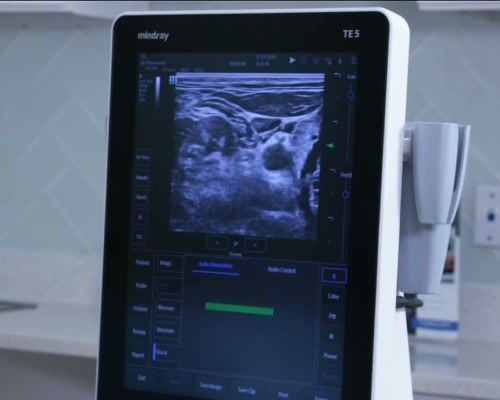
PTSD can keep the body on alert long after the danger has passed: broken sleep, a short fuse, a mind that keeps scanning. At Reboot Vitality, Dr. Michael Meighen evaluates you first. If it is appropriate, he may offer the Reboot Protocol™, a stellate ganglion block given on two consecutive days, one side each day, alongside your therapy and existing care, never instead of it. Using it for PTSD is off-label. Individual experiences vary.
If this sounds like you
You scan every room and sit near the exit. A sound, a smell or a crowd puts your whole system back in protection mode before you can think. Nights are broken.
Part of you knows the present moment is safe. The rest of you has not caught up.
Trauma leaves more than memories. The fight or flight system learned to stay switched on during the threat, and for some people it struggles to settle, even after real work in therapy.
No. We see service members and veterans, and police officers, firefighters and paramedics who carry repeated calls home. Trauma also comes from crashes, assaults, abuse, disasters and sudden loss.
Understanding PTSD
Post-traumatic stress disorder (PTSD) is a mental health condition that can develop after living through or witnessing a traumatic event. It is diagnosed by a qualified clinician. Alongside the memories, it often keeps the body’s fight or flight system on alert long after the danger has passed.
Combat, an assault, a crash, a call you cannot forget. The body prepares to survive, exactly as it should.
The sympathetic nervous system, relayed in part through the stellate ganglion in the neck, keeps signalling danger.
Sleep, focus, patience and closeness to the people around you take the strain.
A qualified clinician evaluates you before any procedure, and SGB is not right for everyone. If it is not right for you, we will say so and point you to the right next step.
The signs
Only a qualified clinician can diagnose PTSD. If several of these sound familiar, an evaluation is a reasonable place to start.
The Reboot Protocol is given one side at a time: the right side on day one, the left side on day two. Individual experiences vary.
Common causes
Not everyone who lives through trauma develops PTSD. These make it more likely.
Living through or witnessing combat, an attack, a disaster or a serious accident.
Ongoing danger at home, or the repeated trauma first responders meet on the job.
The sudden loss of someone close, or surviving an event that could have taken your life.
Depression, anxiety or substance use can make trauma harder to process.
How we approach PTSD
PTSD care at Reboot Vitality starts with an evaluation by Dr. Michael Meighen. If a stellate ganglion block is appropriate, the Reboot Protocol places it on the right side on day one and the left side on day two. It is typically used alongside trauma-focused therapy, not instead of it, and we work with your existing therapist or doctor.
Phase 01, at 12 o’clock
If your evaluation supports it, the Reboot Protocol comes first: one side each day, over two consecutive days, with monitoring after each injection.
The Reboot ProtocolPhase 02, at 3 o’clock
If your evaluation points to other factors, diagnostics can look at environmental exposures, inflammation and gut health.
Start with an evaluationPhase 03, at 6 o’clock
Once imbalances are identified, targeted and personalized therapies strengthen core systems.
Start with an evaluationPhase 04, at 9 o’clock
With the foundation in place, this phase focuses on energy, clarity and long-term performance.
Start with an evaluationThe evidence and your options
The evidence for stellate ganglion block (SGB) in PTSD is promising and still developing. Here is what it shows so far.
Randomized trial, 2020
In 113 active-duty service members, two right-side blocks two weeks apart improved PTSD symptoms more than a sham injection over 8 weeks. The authors note mostly mild to moderate symptoms and a short follow-up, and call for further trials of SGB as an add-on treatment.
U.S. Department of Veterans Affairs
A VA patient summary says “the evidence is not conclusive” and the long-term effects are unknown, and that SGB may help when combined with evidence-based therapy such as prolonged exposure, cognitive processing therapy or EMDR.
Cleveland Clinic
Studied for PTSD since 1990, with mixed evidence: some people see their symptoms improve, while others see no change.
Sources are cited for information only. Reboot Vitality is not affiliated with, or endorsed by, the VA, the Department of Defense or any organization cited here.
Including the ones we do not offer, and waiting. Many people combine more than one.
| Option | What it involves | Time it takes | Worth knowing |
|---|---|---|---|
| Trauma-focused therapy | Talk therapy with a licensed therapist, such as prolonged exposure, cognitive processing therapy or EMDR | Weekly sessions over several months | A core part of PTSD care. We do not provide therapy; we work alongside your therapist. |
| Medication from your doctor | A prescription from your doctor or psychiatrist, taken daily | Ongoing | It has a real place. Never change a medication without your prescriber. |
| The Reboot Protocol (SGB, off-label) | An evaluation, then an ultrasound-guided block: right side on day one, left side on day two | Two consecutive days, home after monitoring each day | An add-on, not a replacement, and not right for everyone. Individual experiences vary. |
| Waiting | Seeing whether symptoms ease with time and support | Open ended | Some people do improve. If symptoms have lasted over a month, or affect sleep, work or relationships, an evaluation is a reasonable step. |
The two days, and the risks
Day one
Consultation and nervous system evaluation with Dr. Meighen. If you go ahead: the ultrasound-guided right-side injection, 20 to 30 minutes of monitoring, then home.
Day two
The injection on the left side, 20 to 30 minutes of monitoring, then home.
Afterwards
We check in after the two days. Your therapy and other care continue, and with your permission we keep your therapist or doctor informed.
Individual experiences vary.
Side effects and risks as listed by Cleveland Clinic.
Do not wait
Reboot Vitality does not provide emergency or crisis care.
Cost and coverage
Your cost is set at your consultation and depends on the plan you choose. Coverage varies by insurance carrier and plan; financing is available through Cherry and CareCredit, subject to credit approval.
Cost and coverage, in detailPatient reviews
As a veteran with multiple deployments … within 72 hours I started to find myself happier, more at ease and almost peaceful.
About these reviews
Reviews are quoted word for word from Google, shortened only where marked. Each one is a single person’s experience, not a promise of yours.
Every review, as writtenIndividual experiences vary.

Your physician
Dr. Michael Meighen, Medical Doctor
Dr. Michael Meighen is double board-certified in Physical Medicine & Rehabilitation and Pain Medicine, with advanced expertise in fluoroscopy and ultrasound. Patients know him as Dr. Mike.
He evaluates every patient before any procedure, decides with you whether a stellate ganglion block makes sense, and places each injection himself with real-time ultrasound guidance. He is not a therapist or a psychiatrist: your PTSD care stays with the people who diagnosed and treat it, and he works alongside them.
Medically reviewed by Dr. Michael Meighen, MDReboot Vitality · Review date to confirm
Visit the clinic
When getting to an appointment takes effort, a short trip matters. Reboot Vitality is at 220 N Howard Ave, Suite B, inside AgeRejuvenation in North Hyde Park, blocks from the University of Tampa, close to Downtown, South Tampa, Davis Islands and Westshore.
Patients come from Hyde Park, Downtown, Palma Ceia, South Tampa, Westshore, Downtown St. Pete and Old Northeast.
Book online or call
Request your consultation and nervous system evaluation. Prefer to talk it through? Call (844) 727-2192, Monday to Friday, 9:00 to 5:00.
This form is not for emergencies. If you are in crisis, call or text 988. Veterans press 1. In an emergency, call 911.
Questions about PTSD care
Pick a question. Still wondering? Call (844) 727-2192
The stellate ganglion is a cluster of nerves in the neck that is part of the body’s fight or flight pathway. A stellate ganglion block (SGB) places a local anesthetic beside it with ultrasound guidance. Here it is given on two consecutive days, one side each day.
No. The Reboot Protocol™ has not been reviewed or approved by the FDA as a treatment for PTSD. The local anesthetic used in the injection is FDA-approved; using it for PTSD is an off-label use. Dr. Meighen explains what that means for you at your evaluation.
No. SGB is typically used alongside trauma-focused therapy, not instead of it. Keep seeing your therapist, keep taking any medication as prescribed, and never change a medication without your prescriber. We work with your existing therapist or doctor.
Common, temporary effects include a droopy eyelid, a red or watery eye, a stuffy nose, a hoarse voice and some difficulty swallowing. Rare but serious risks include infection, bleeding, nerve injury and a collapsed lung. Your evaluation checks whether SGB is safe for you.
Coverage varies by carrier and plan, so check with your insurer first. Reboot Vitality is an independent clinic and is not part of, or endorsed by, the VA. Financing is available through Cherry and CareCredit, subject to credit approval.
Close the loop
Book your consultation and evaluation, or call us Monday to Friday, 9:00 to 5:00.